
Approach
Reduction Of Carbon Emissions
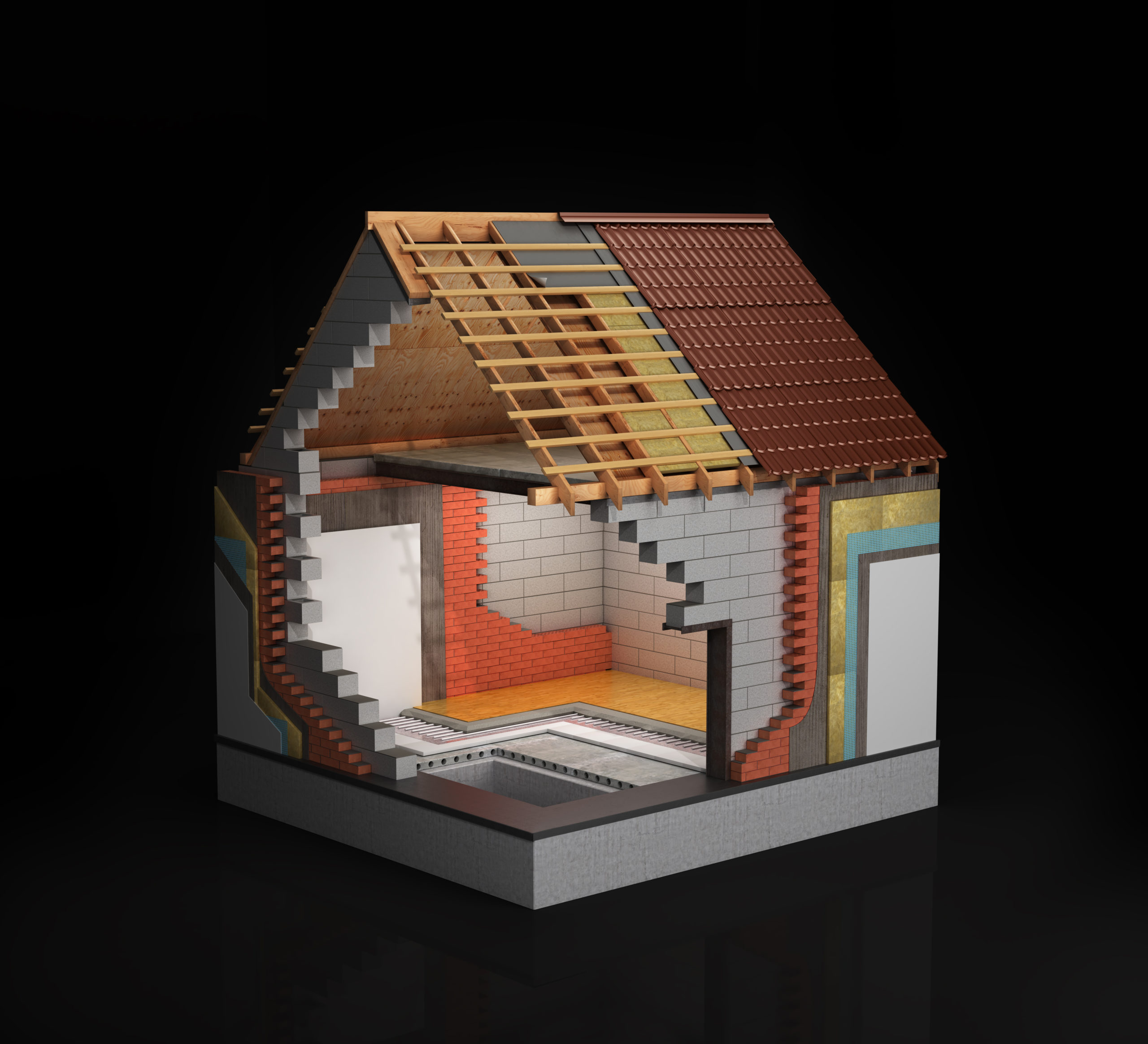
A typical house will lose 33% of its heat through the walls, 25% of its heat through its roof and 10% through its floors. A badly insulated property can cost hundreds of pounds in wasted energy bills every year.
As part of the Government’s carbon reduction scheme, we can offer various insulation measures FREE of charge – or with a minimum spend.
From an initial telephone call to an onsite survey from one of our experienced surveyors we will offer you a comprehensive, tailormade solution for your property’s needs.
Whether you own one house or are a Landlord with multiple properties, we can help make your home a warmer and more energy efficient place to live.
Insulation Type

Insulation
Solid Wall Insulation (Internal or External)
If your home was built before the 1920s then it is likely to have solid walls. Therefore, the walls do not have cavities. They will usually be made of brick or stone. These properties were built before modern day building regulations and can be very cold and expensive to heat. You can normally tell if your home has a cavity or a solid wall you can usually tell if you look at the brickwork outside your home. If you can see full-length bricks with half-length bricks (or header bricks) around the middle of the wall this is a good sign that you have a solid wall. Another way to find out is to measure your wall from a door or window. If it is thinner than 30cm it is probably a solid wall. It is possible to insulate a solid wall with internal or external insulation.
Insulation
Room In Roof
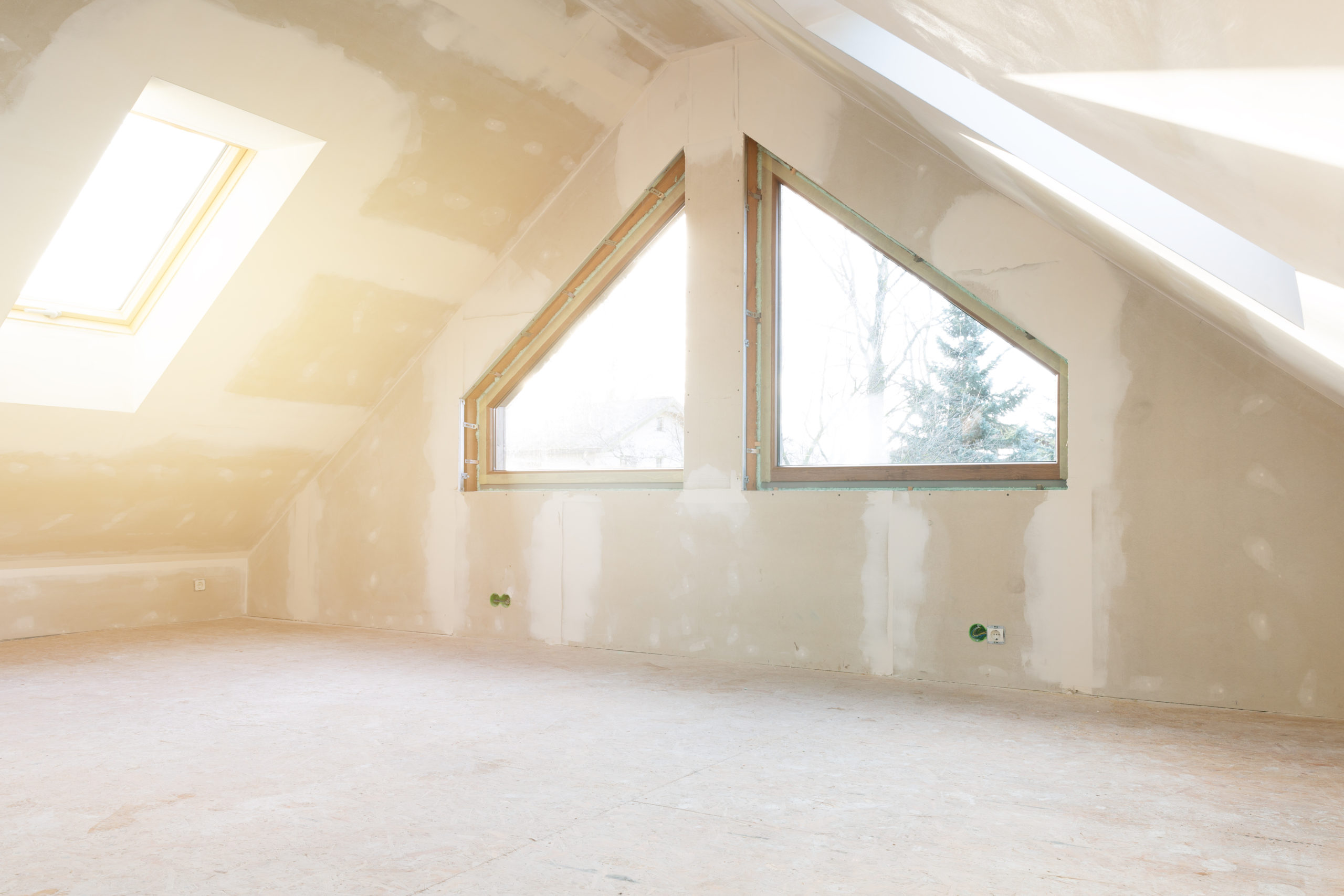
A room in roof (loft room) or attic room is simply defined by the presence of a fixed staircase to access the room. Many older properties that were originally built with room in roof were not insulated at the time. If insulation was installed, it is often inadequate by modern standards and the rooms are subsequently very expensive to heat.
Loft conversions that were also carried out more than 30 years ago are also likely to be poorly insulated, if at all, meaning that these rooms can be very cold in the winter and warm in the summer.
Insulation
Loft Insulation
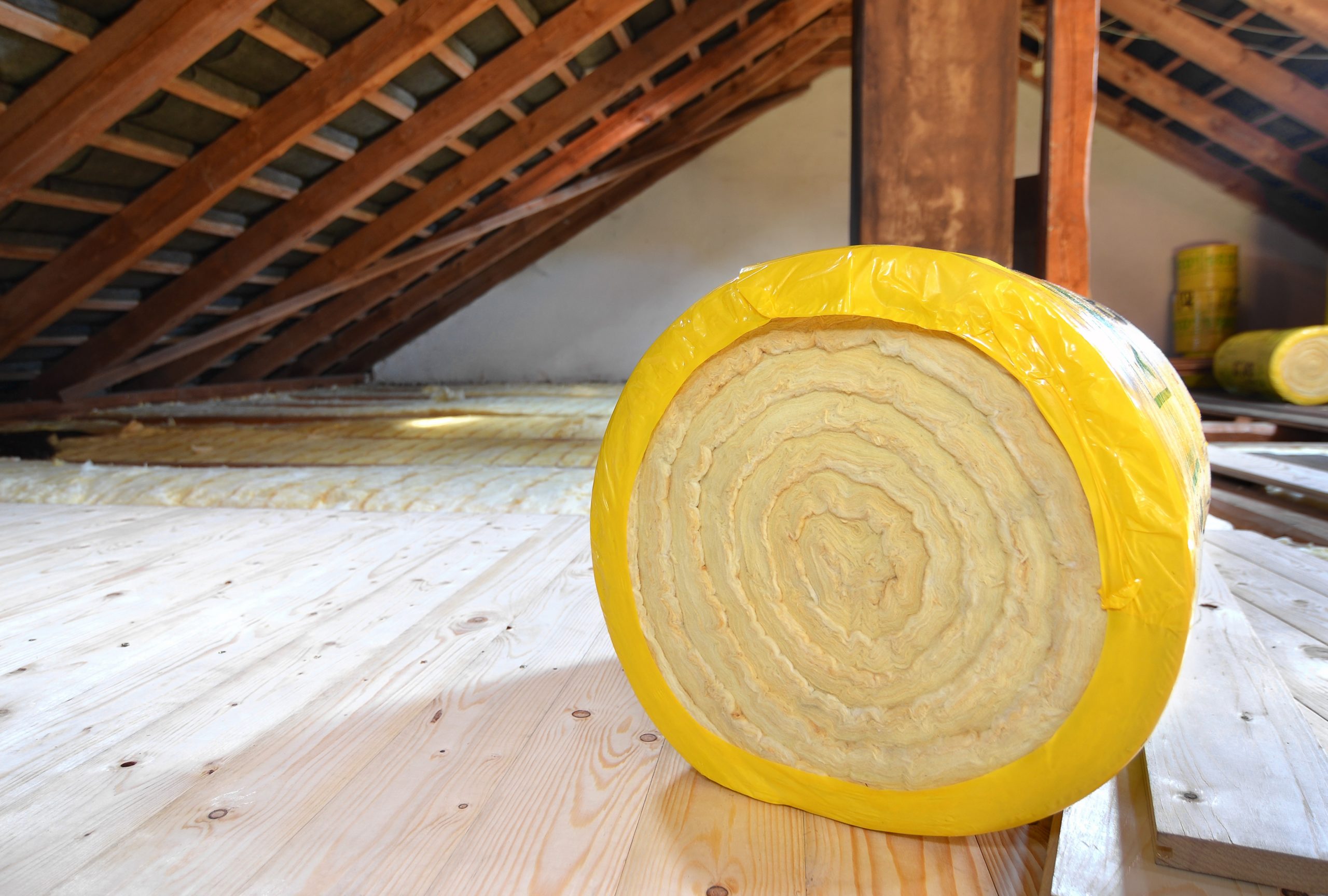
Around a quarter of the heat in your home will be lost through the roof if it is not insulated or it is inadequately insulated. Loft insulation usually comes in batts, rolls or loose in bags and some types and is very cost effective to fit.
An insulated roof will lower your fuel bills as it will make your heating system more efficient.

Insulation
Underfloor Insulation
If your property is situated on a ground floor and has a form of suspended wooden flooring, we can keep the draughts at bay by installing underfloor insulation throughout.
Underfloor insulation is another good way of preventing heat loss through the floor. This method is especially appropriate for older houses. Many older properties have ‘suspended floors’, or unheated cellars where there is a gap underneath the floorboards. This gap can be filled by temporarily removing the floorboards and laying rolls of mineral wool insulation. Alternatively, you might have a basement below and your rigid insulation boards can be applied to the ceiling.
Energy Company Obligation (ECO)
The Energy Company Obligation (ECO) is a FREE government energy efficiency scheme in the United Kingdom to tackle fuel poverty and help reduce carbon emissions. Under ECO, medium and larger energy suppliers fund the installation of energy efficiency measures in British households. Each obligated supplier has an overall target based on its share of the domestic energy market in Britain. The obligated energy suppliers work with installers to introduce certain efficiency measures into your home, such as loft or wall insulation, or heating measures. The ECO3 scheme consists of one distinct obligation: the Home Heating Cost Reduction Obligation (HHCRO).
Green Homes Grant
If you’re a homeowner or residential landlord you can apply for a Green Homes Grant voucher towards the cost of installing energy efficient improvements to your home.
State Aid
Primary Measures
Insulation
Energy Efficiency
Home Improvements
Improvements could include insulating your home to reduce your energy use or installing low-carbon heating to lower the amount of carbon dioxide your home produces. How much you can get? Vouchers will cover two-thirds of the cost of eligible improvements, up to a maximum government contribution of £5,000. If you, or someone in your household, receive certain benefits you may be eligible for a voucher covering 100% of the cost of the improvements. The maximum value of the voucher is £10,000.
You must redeem the voucher and ensure improvements are completed by 31 March 2022.

Recent Comments